an investor pitch for
A new category at the intersection of social space, wellness, food, and cultivation โ designed from the ground up around continuous, AI-driven optimization for human flourishing.
scroll to read ยท 13 slides ยท 6 minutes
The problem
Wellness lives in one venue. Food in another. Movement in a third. Community in none. Every category competes on amenities and aesthetics โ and treats software as marketing collateral, not as the operating system of the place itself.
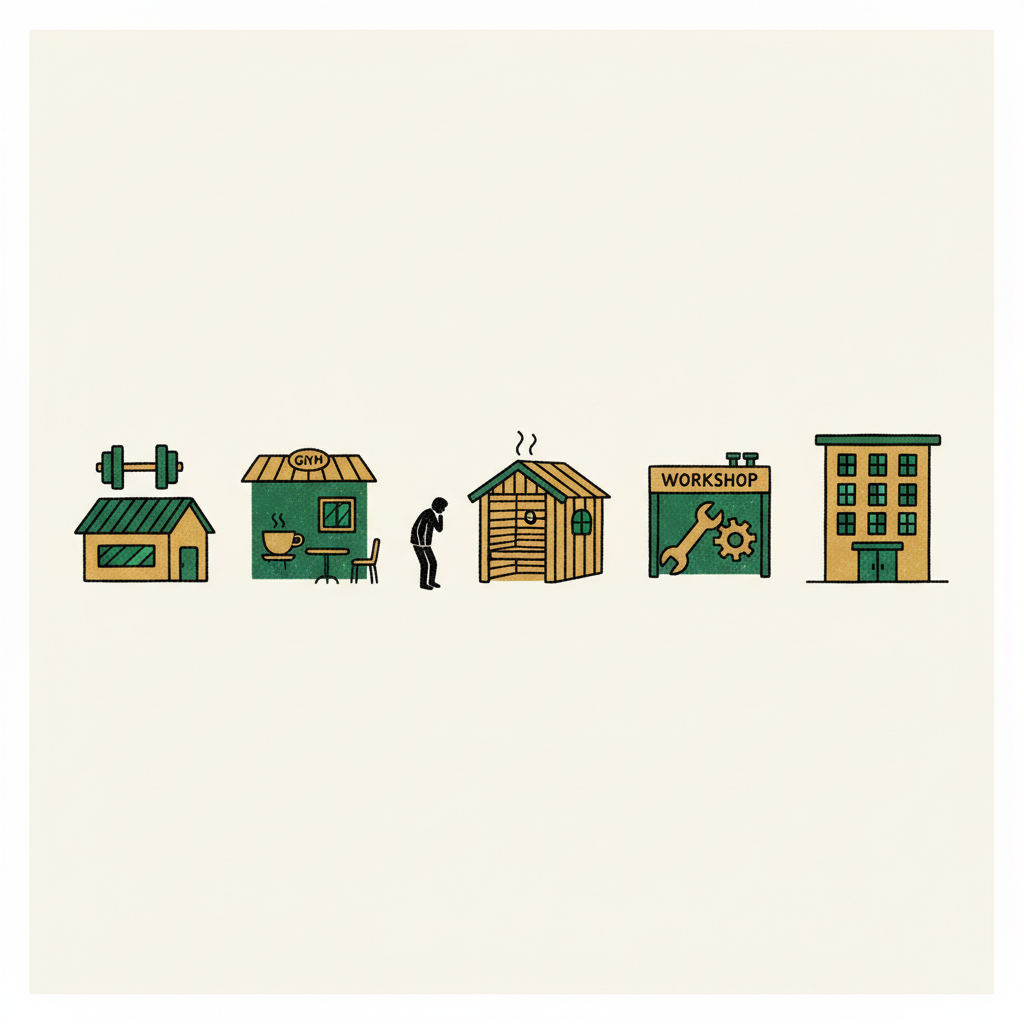
The result is a generation that can afford the gym, the sauna, the dinner, and the workshop โ and still goes home alone. Owners over-build, over-staff, and under-deliver on the one thing people actually want: a place that feels like it knows them.
Why now
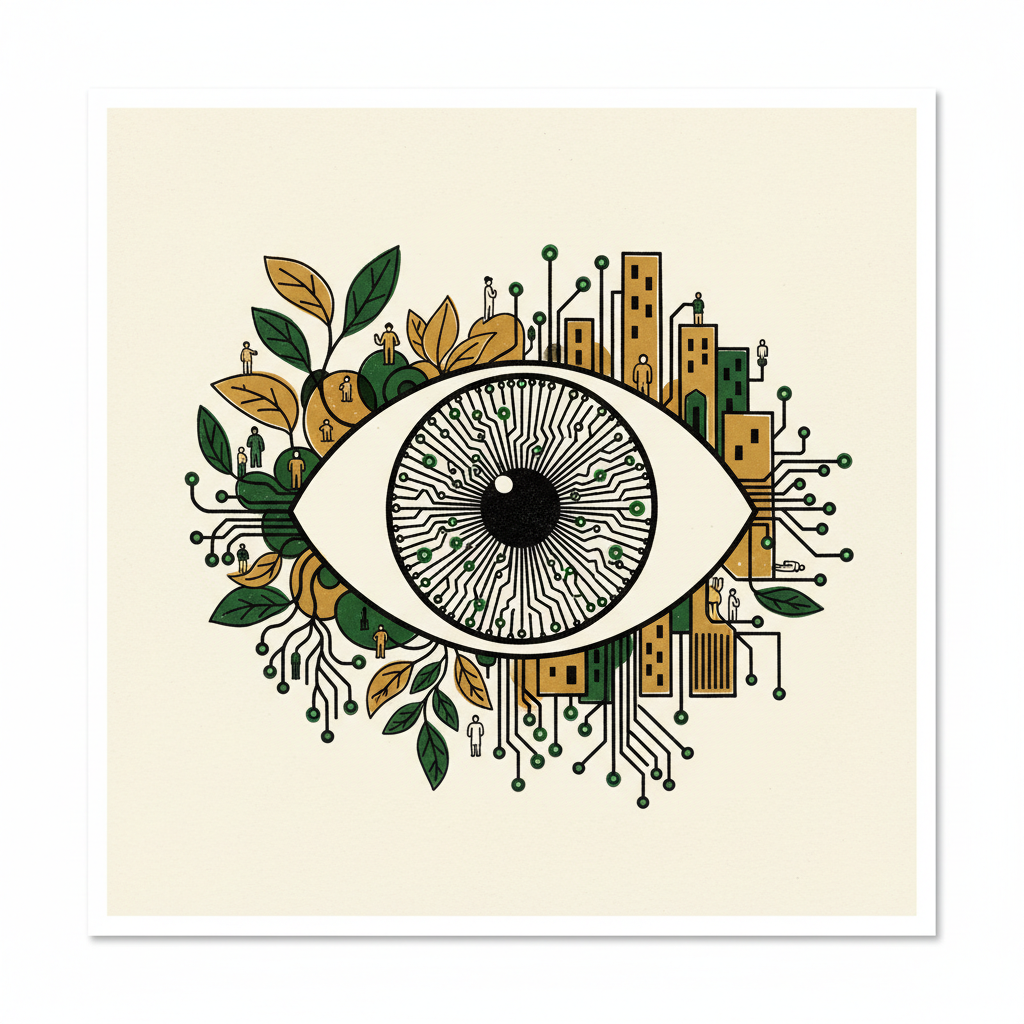
On-device vision, real-time multimodal models, and cheap sensing have crossed a threshold. A camera, a soil probe, and a microphone now produce signal a foundation model can act on โ closing the loop between what a space observes and what it does next.
Pair that with a post-pandemic hunger for in-person community and a wellness market the size of a continent, and you get a once-per-decade window to define a new venue category from the AI side first. The incumbents are software-illiterate. The software-natives don't own real estate. We do both.
The solution
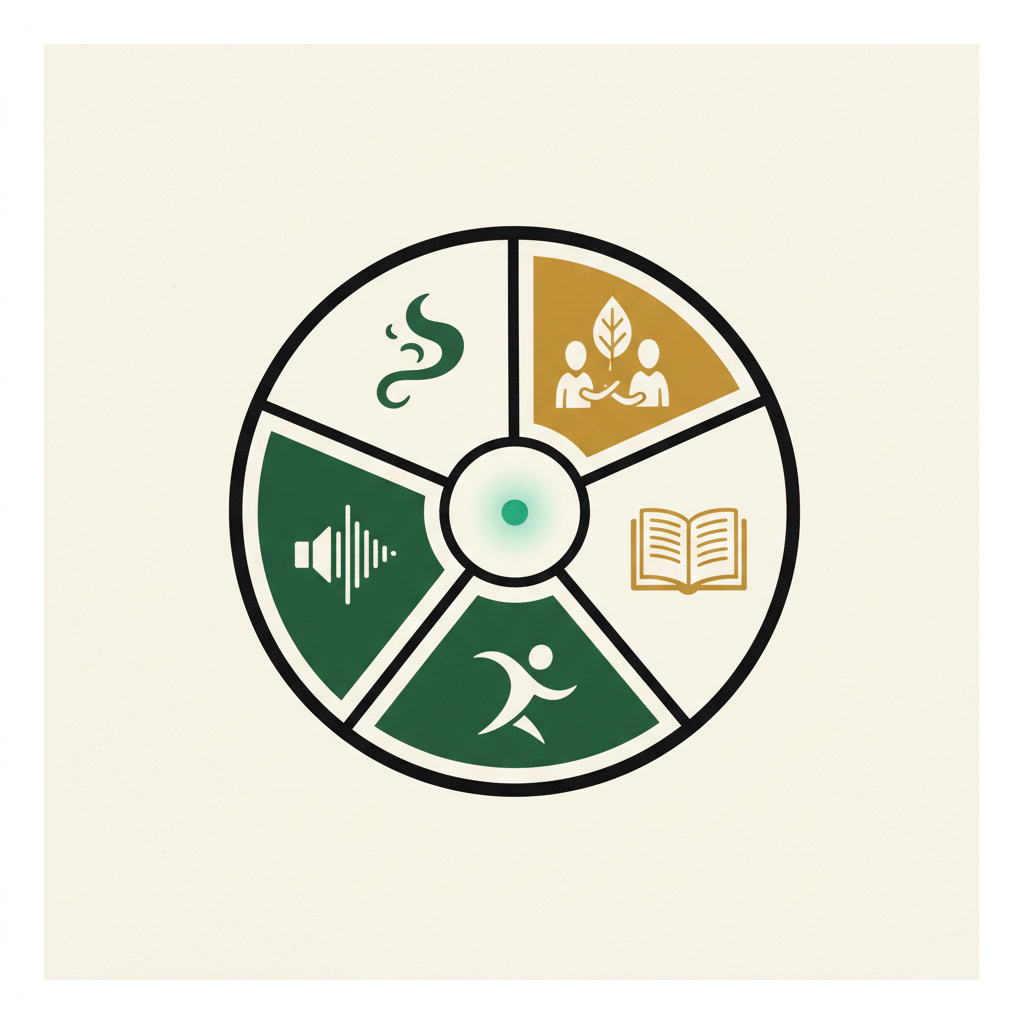
Sponic Gardens is a warehouse-greenhouse social space that fuses cultivation, thermal wellness, movement, food, music, and community โ all coordinated by a single AI that observes, reasons, actuates, and learns. Six loops are measured per member per visit, each continuously tuned to serve the long-term interests of individuals and the community alike.
The product
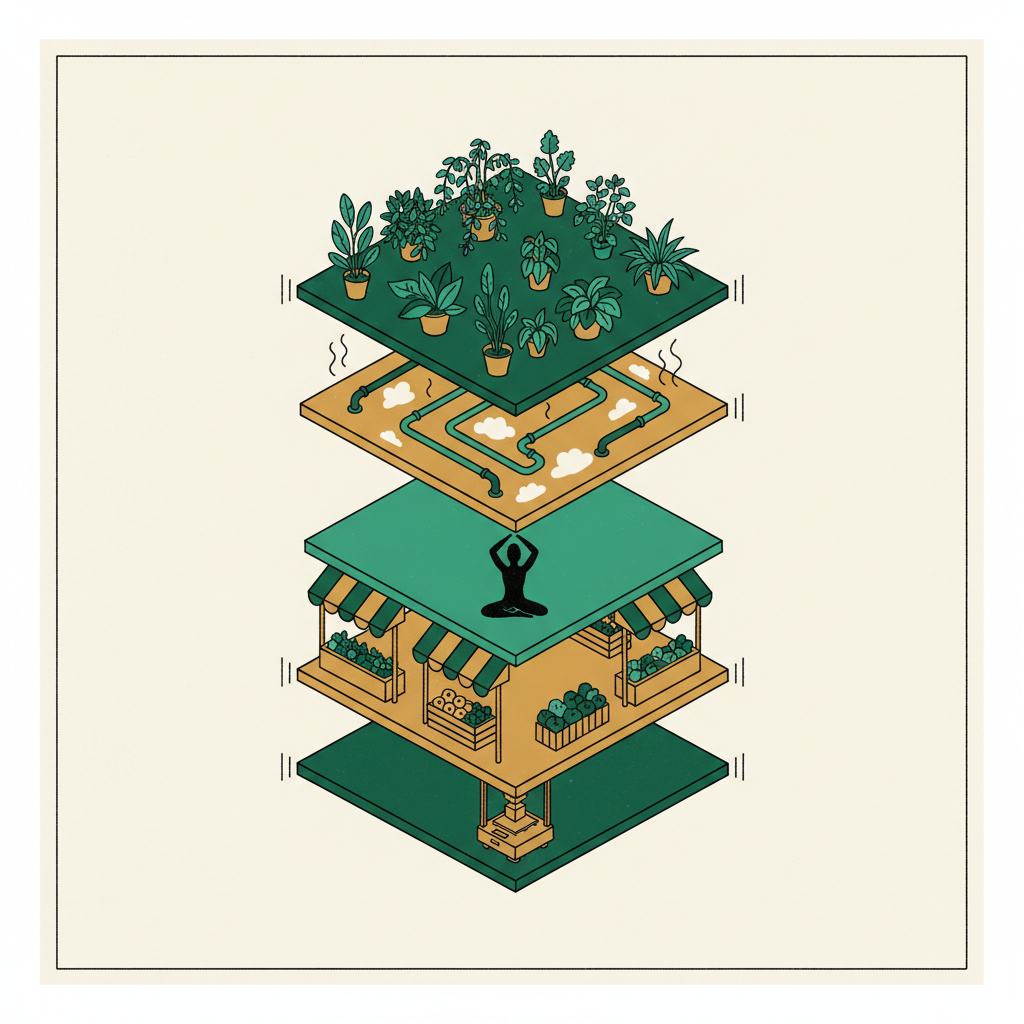
A single venue brings together amenities that today live in five separate businesses, plus a market layer that turns members into producers.
The unfair advantage
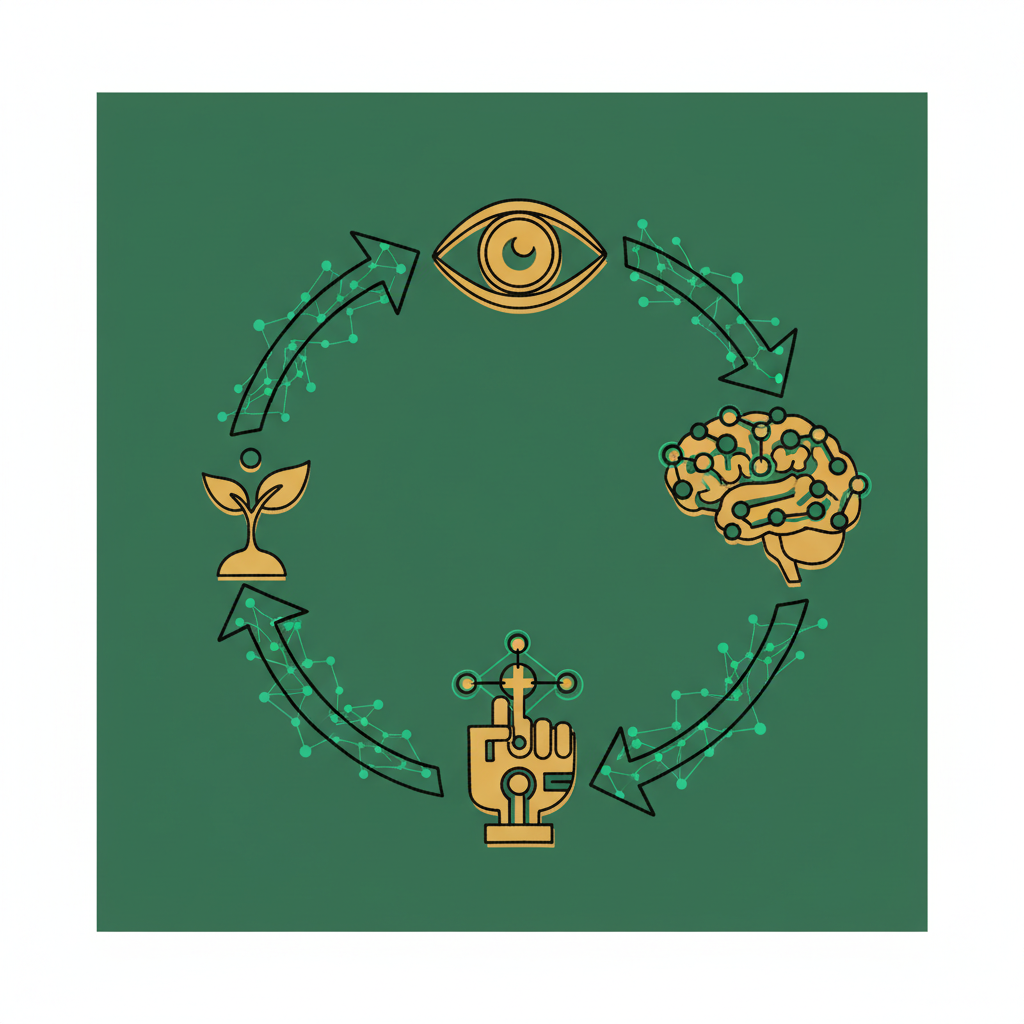
Most "smart" venues run static playlists, fixed schedules, and lighting on a timer. Ours runs a continuous Observe โ Reason โ Actuate โ Learn loop: every selection the AI makes โ a song, a class start time, a steam-room cycle โ is graded by what people actually do next.
Heads nodding, doors closing, dwell time up โ the system learns. This closed-loop behavioral feedback is the subject of a filed provisional patent (Sonic Vision) and is the moat: a copycat would need months of operational data in a venue we already own.
Market
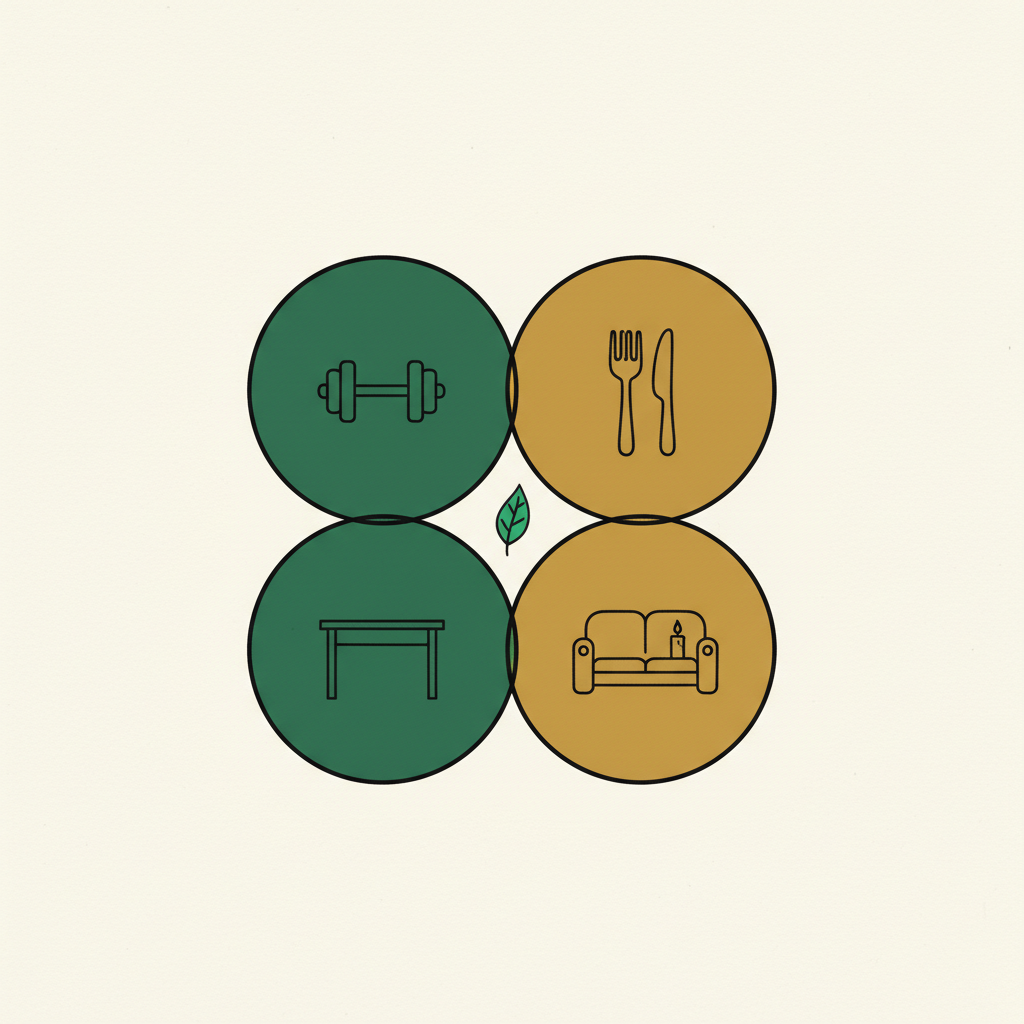
Sponic sits at the intersection of four categories that already proved willingness to pay โ and inherits demand from all of them.
Business model
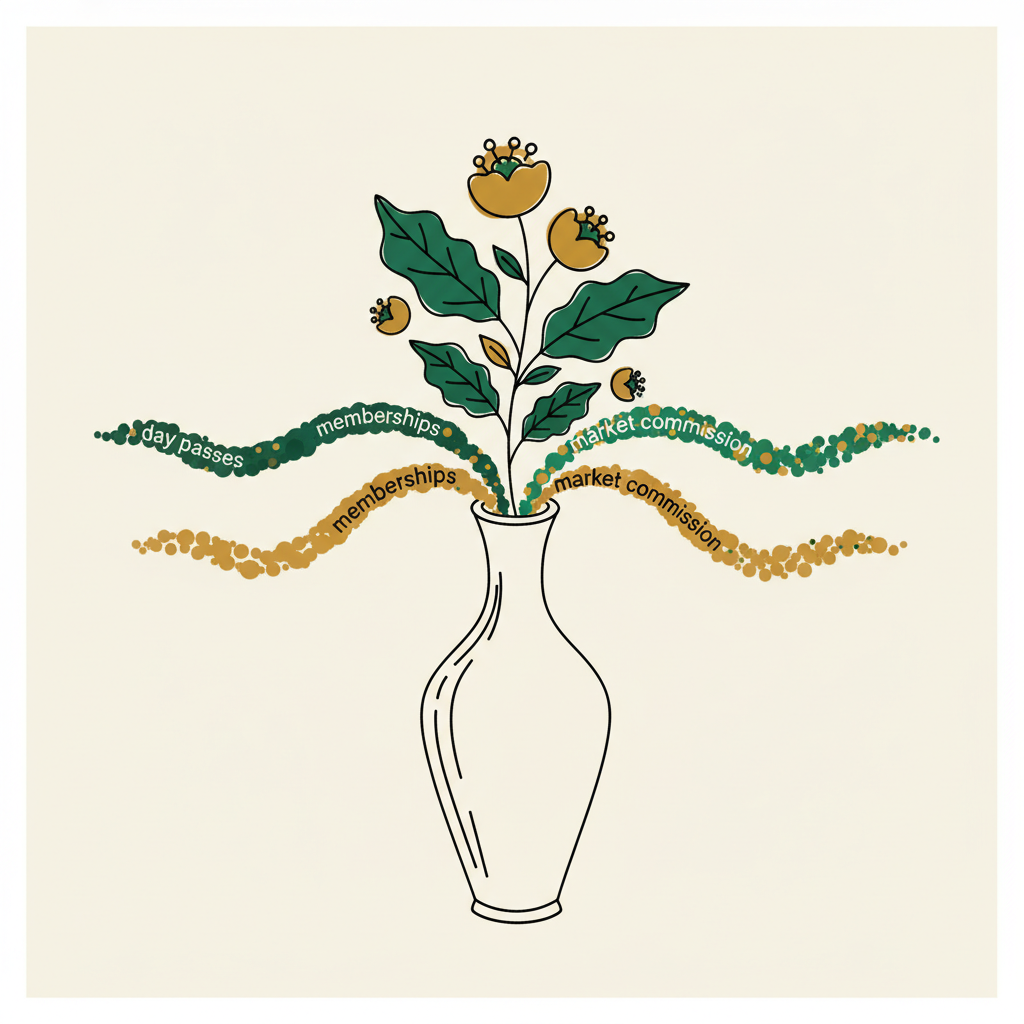
We start with day-passes to fill the room and learn what members want. Memberships convert the regulars to recurring revenue. The Market layer turns the venue itself into a marketplace โ at near-zero marginal cost to us.
Unit economics
The model isn't speculative. Variable margin is healthy from day one; fixed costs are bounded by a single building.
Go-to-market
We don't open seven days a week and pray. We open one day a week, prove the loop works, then add days as the waitlist grows.
Warsaw is chosen deliberately: deep wellness culture, low operating cost, growing international community โ the ideal flagship before expansion to Western Europe and the US.
Why we win
Team
Serial founder & technologist. $28M raised, $100M+ in exits across digital media, EVs, mobile, and generative AI. Previously C++ Engineering at Adobe, Product Management at Microsoft. HBS MBA program. Patents in word processing and vehicle telemetry. Owns the platform, building, financial model, and corporate stack.
Emergent Communities Consultant. 5+ years engineering & implementing operational systems, digital tools, and community experiences for pop-up cities and ecovillages worldwide. Owns the member experience, partnerships, and the cultural DNA of the venue.
Equal equity, equal voice, clean lanes. Recruiting and fundraising are shared; everything else is owned. Hires 1โ4 (developer, event manager, builder, ops) staff out the flagship.
The ask
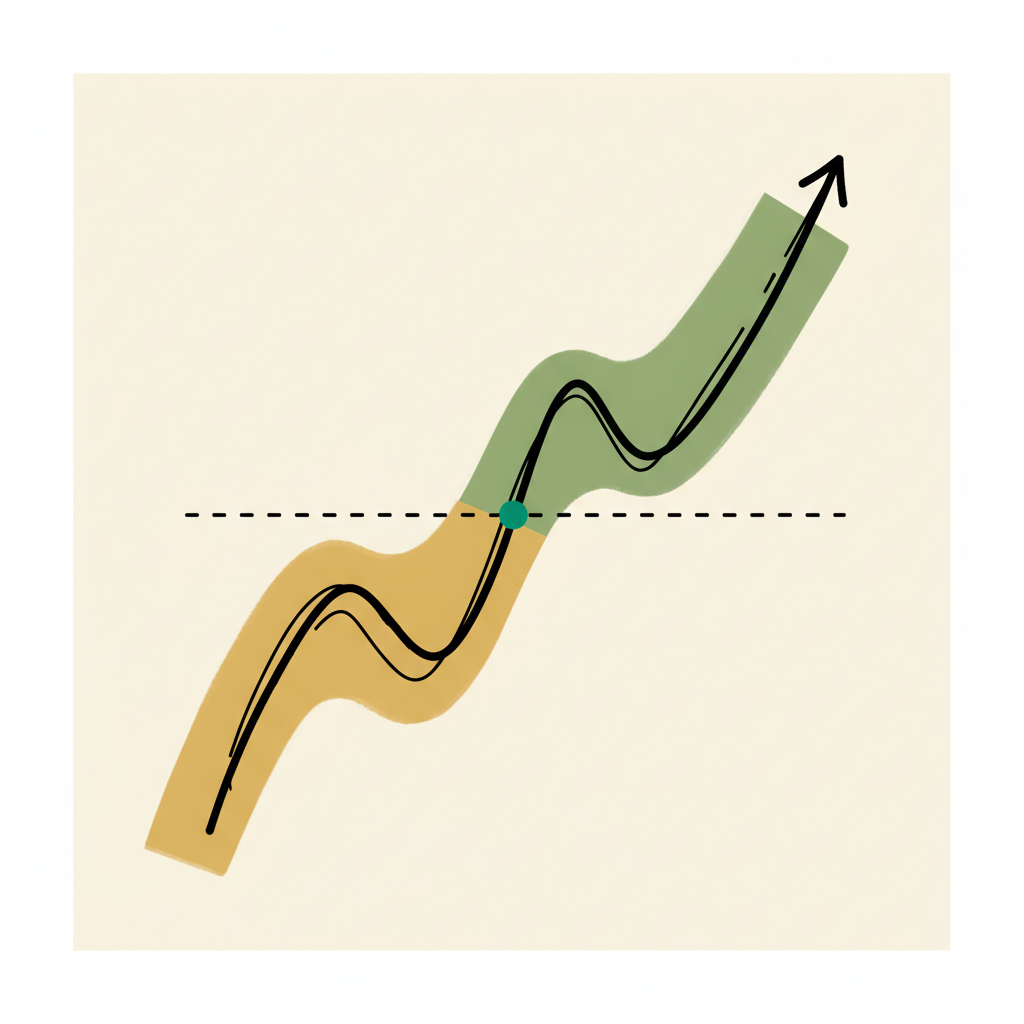
A single, focused round to build the Warsaw venue, prove the loop, and ship the platform that runs it. Cash positive by month 13 on the base case.
The vision
Make robots do the hard work.
Let humans & plants flourish.
The next decade of how people gather is being decided in the next eighteen months. We would rather build that with the right partners than without them.
โ Rahul & Sonia
๐ฟ sponic gardens