Botanical Coordinator

A collaboration proposal for Mariia Kovalova

Half-time cooperation · Warsaw

01 The Role

Botanical Coordinator

A half-time cooperation to help Sponic Gardens build its first botanical program — turning ideas into a real, research-backed vibe growing pilot that members can experience.

Rate
60 PLN gross / hr
~4,800–5,200 PLN / month
Time
~20 hrs / week
Half-time, unless otherwise agreed
Phase 0
Pre-venue
Pilot the garden setup off-site
Phase 1
On-site
Deploy systems, activate community
Equity
0.5%
Future-equity promise, vesting over 24 months
02 The Project

What we are building

Sponic Gardens is an AI-native community center with a botanical theme. We are building a program called vibe growing — practical, community-facing experiences built around real plants. Members grow, observe, taste, care for, and connect with living plants as part of the Sponic community.

The core goal is twofold: creating meaningful experiences for members in a collaborative, nature-driven environment — and automating the process of cultivating plants by measuring conditions, analyzing data, and optimizing our systems with AI. Your role sits at the center of both.

Team collaborating in the garden
03 Phase 0 Responsibilities

Pre-venue pilot

Before we have a permanent location, the work is about piloting the garden setup — researching, sourcing, building the first systems, observing how they perform, and designing the activities that members will eventually experience.

Onboarding and alignment

  • Get set up on the Sponic platform, communication channels, and AI tools
  • Review the Botanical Ideation concept document and existing research
  • Meet the team and align on working rhythms and expectations

Research and sourcing

  • Research plant species for each pilot concept — microgreens, herbs, flowering plants, terrarium species, tea plants
  • Identify Warsaw/Poland-based suppliers for plants, seeds, substrates, containers, and equipment
  • Build a purchase plan with prices, substitutes, and lead times

Systems setup and observation

  • Set up the first grow zone — grow lights, irrigation, sensors, climate tracking
  • Own the daily rhythm: watering, light checks, care notes, photos, and issue tracking
  • Observe how hardware and software interact, identify gaps, and iterate
  • Notice problems early: pests, mold, overwatering, missing supplies, safety concerns
  • Document protocols clearly enough that another operator could repeat the grow

Activity design

  • Design member-facing experiences — micro-harvests, flower duels, personal tea gardens, terrariums, plant recovery quests
  • Prepare formats for workshops, tastings, and planting sessions
  • Pitch in on adjacent startup needs: vendor calls, events, member interviews, setup, cleanup, and operational checklists
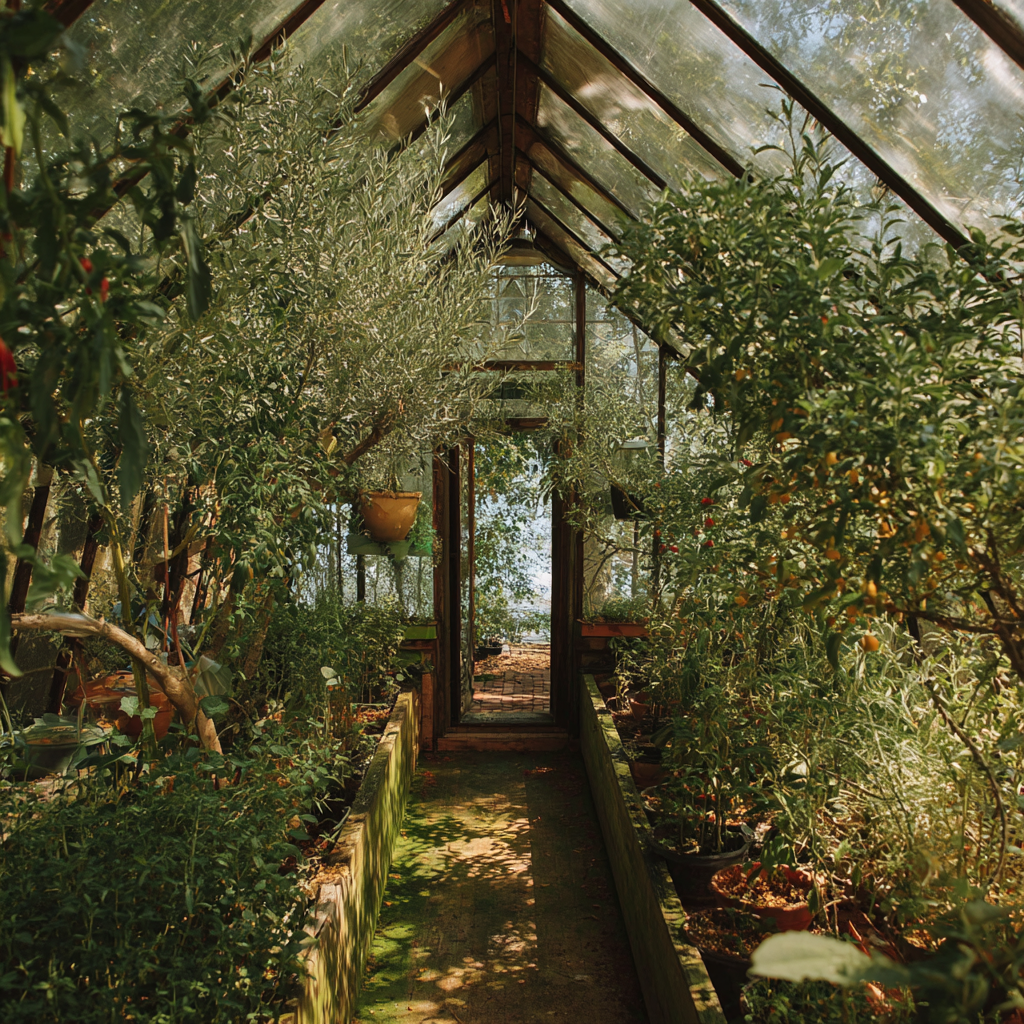
Greenhouse interior
04 Phase 1 Responsibilities

On-site activation

Once we secure a long-term venue, Phase 1 is about deploying what the pilot proved — setting up systems in the space, bringing members in, and gradually activating the community around botanical cultivation.

Location setup

  • Transfer and adapt pilot systems to the permanent space — grow zones, equipment, infrastructure
  • Scale from pilot to operational: more species, more grow points, refined care protocols

Community activation

  • Launch the first member-facing botanical experiences based on pilot-tested formats
  • Coordinate botanical activities — workshops, tastings, planting sessions, open garden hours
  • Build connections with Warsaw's botanics enthusiast community

Systems optimization

  • Monitor plant health, environment conditions, and system performance at scale
  • Continue honing the hardware/software loop — sensors, data, AI-driven recommendations
05 Deliverables

What each phase should produce

Phase 0 — Pre-Venue Pilot

i.
Plant recommendation list
Prioritized species for each pilot concept, with care difficulty, growth timeline, cost estimate, and reasoning.
ii.
Sourcing and setup plan
Suppliers, prices, equipment list, and a setup checklist for the pilot grow zone.
iii.
Care protocols
Step-by-step instructions for each plant — watering, light, common problems, harvest timing. Repeatable by another operator.
iv.
Systems baseline
Hardware/software assessment — what's working, what's missing, how sensors and software interact, and what to improve.
v.
Activity formats
2–3 designed member-facing experiences ready to test when the venue opens.
vi.
Pilot report
Documented results — photos, care data, observations — and a recommendation for what to deploy on-site.

Phase 1 — On-Site Activation

i.
Location deployment plan
How to transfer pilot systems to the permanent space — equipment placement, infrastructure needs, scaling decisions.
ii.
Community launch
First member-facing botanical experiences running on-site, with participant feedback and iteration notes.
06 Working Culture

How we work

Sponic Gardens is a startup built from zero. We value people who take ownership, communicate openly, and work across disciplines — plants, hospitality, design, software, community.

Initiative
Take action rather than waiting for every instruction
Open communication
Speak up when something is unclear or blocked
Cross-discipline
Plants, hospitality, design, software, community
Documentation
Work clearly so the next person can build on it
Harvesting botanicals
07 AI-Native

Built with AI

Sponic Gardens is an AI-native startup. All team members use AI tools as part of everyday work — research, planning, documentation, and task execution.

You will coordinate with software work: AI grow-coach behavior, photo timelines, care logs, and participant updates. We expect you to automate everything that doesn't require human effort — your time is for the work that needs botanical judgment, physical presence, and creative thinking.

Human and AI tending plants together
08 The Proposal

Collaboration terms

Compensation

60 PLN gross per hour, approximately 20 hours per week, to be discussed based on the agreed upon priorities and deliverables.

In addition: a committed future-equity promise of 0.5%, vesting monthly over 24 months — converting into shares or equivalent options once Sponic Gardens has a share-issuing structure.

Contract terms

We sign an initial contract with a review after 1 month to align on how the collaboration is working — pace, scope, communication, and mutual expectations.

A second review at the end of August to decide together whether to extend the collaboration.

How we work

All work is logged in our internal system — tasks, hours, progress, and outcomes are tracked transparently on the Sponic platform.

We meet twice a week as a team — online or in person — and communicate asynchronously throughout the week.

What success looks like

Sponic has at least one documented botanical pilot that actually ran — with photos, care data, participant feedback, a repeatable protocol, and a recommendation for what to build next.

09 Next Steps

How we get started

  1. Review and agree
    Review this document, ask questions, and discuss the terms until we are both comfortable moving forward.
  2. Phase 0 — Pre-venue pilot
    Onboarding, research, sourcing, systems setup, observation, and activity design. Build and document the first pilot grow before we have a permanent space.
  3. Phase 1 — On-site activation
    Deploy pilot-proven systems in the long-term location. Launch member-facing botanical experiences and activate the community.

Sponic Gardens

Warsaw, Poland

Questions, thoughts, or ready to start? Reach out to us directly.

Email Sonia & Rahul View Mariia's CV